
Identity.
One directory, one session, one set of credentials. A person who joins the organisation exists once, and every application they are entitled to open already knows who they are.
We build the software an organisation runs on, sales, service, finance, people, security and the developer platform underneath all of it. Founded in London in 2011 and still headquartered there.

Most organisations do not have a software problem. They have a hundred small software solutions that were each sensible on the day they were bought, and no agreement between them about who a person is, what they are allowed to see, or what happened last Tuesday.
The cost of that shows up as integration projects, as reconciliation, as a quarterly access review nobody can complete honestly, and as the three weeks it takes to onboard someone who needs eleven accounts. None of it appears as a line item, which is why it persists.
CEDX was built on the opposite bet. Write the platform once — identity, entitlements, events and audit, and then write applications that inherit it rather than reimplement it. The first product took eighteen months. The hundredth took eleven weeks.
The result is a catalogue you can buy one product from and still have the rest of it fit when you need it. Nobody deploys all 132. Almost nobody stops at one.

These four services are the whole argument. An application that reimplements any of them is a liability to the estate rather than an addition to it.
One directory, one session, one set of credentials. A person who joins the organisation exists once, and every application they are entitled to open already knows who they are.
Permission is answered in the platform, not in each product. That is what allows an approval rule written once in finance to hold in procurement, in the service desk and in the AI layer.
Every meaningful change is published to one bus. Products subscribe to each other rather than integrate with each other, which is why adding the twelfth application costs roughly what the second one did.
One trail across the estate, written by the platform rather than by each product. An auditor asks one question in one place and gets an answer that covers everything.
Availability is measured against the platform control plane and published monthly on the status page. The rest is as at the end of the last quarter.
Founded in London, still headquartered there
Applications in the product index
Products with composed sites
People, across six offices
Data regions with residency controls
Fifteen years, told through the eight decisions that still constrain what we are able to build.
CEDX was founded by four engineers who had spent the previous decade wiring other companies' systems together. The first product was Ledger, because accounting was the system every integration eventually had to reconcile against.
Gate shipped as a second product and immediately became the first. Every application written after it inherited authentication, session handling and entitlements rather than implementing its own: the decision the rest of the company is built on.
CEDX OS was named after the fact. Identity, the event bus, the integration runtime and the entitlement model had already been pulled out of four products that each needed them; naming the result made it something we could commit to.
The first region outside the United Kingdom, built because European customers were being asked by their regulators where their records physically sat. Regional isolation has been a product constraint ever since rather than a deployment option.
Fifty products in, the queue of things customers wanted was longer than the queue we could build. Forge released the same primitives to customers so the fifty-first application could be theirs.
Managed operations began as a handful of engagements with customers who had bought the platform but could not staff it. It is now a service line with its own on-call rota and its own service levels.
Mira shipped three years after the first internal prototype. The delay was entitlements: a model that can read anything is a model no regulated customer can deploy, so Mira waited until it could be constrained by the same permissions as a person.
The catalogue grows at roughly six applications a year now. Every one of them has to justify itself against the alternative of being a feature inside something that already exists.
Four positions we have held long enough that they now decide most arguments before anyone has them.
An application that reimplements identity, permissions or audit is a liability, not a feature. If two products need the same thing, it moves down into CEDX OS and both inherit it.
Storage, authentication, billing and the audit trail change slowly and on purpose. Novelty belongs in the parts of the system a customer can turn off.
Nothing ships without a documented path off the system it replaces, and a documented path off us. A platform that is hard to leave is a platform nobody senior will approve.
Availability, response time and incident count each belong to a named person. Published figures come from the same instrumentation our on-call engineers are paged by.
Six executives, four of whom have been here more than a decade. Each of them owns a number that is published rather than described.
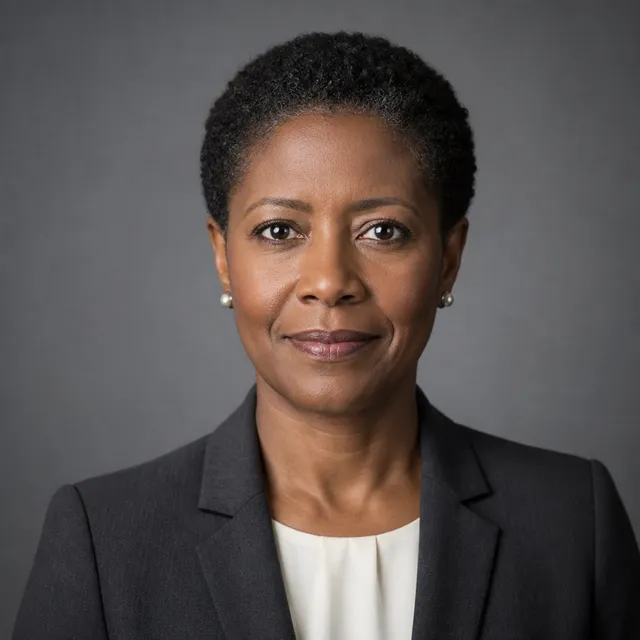

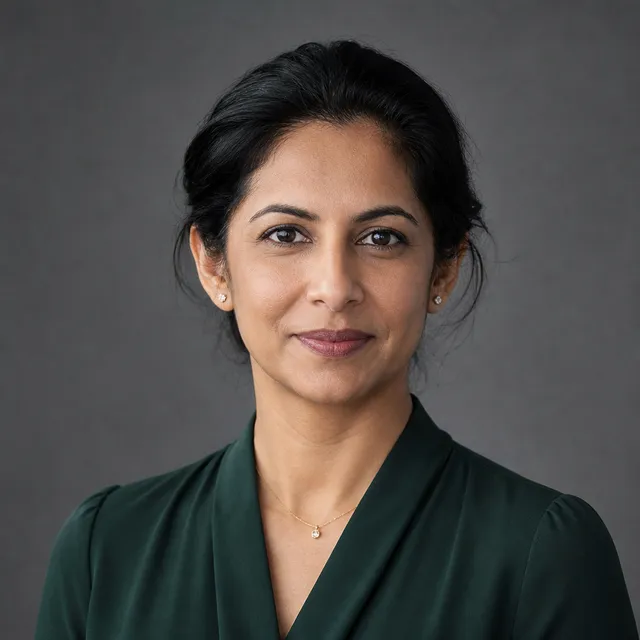
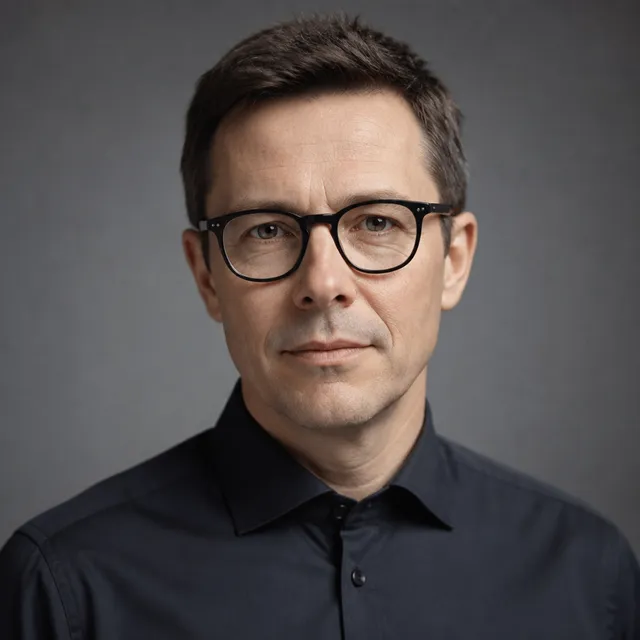


Six offices, and eleven data regions that are a separate matter entirely, where a customer's records sit is decided by their region, not by where we happen to have desks.
Registered office and headquarters
Sixth Floor40 BishopsgateLondon EC2N 4AJAmericas sales and professional services
Suite 2100195 BroadwayNew York, NY 10007EU data residency and regional operations
Neue Mainzer Straße 5260311 Frankfurt am MainPlatform engineering
18th Floor100 King Street WestToronto, ON M5X 1A9Asia-Pacific operations and support
Level 24Asia Square Tower 18 Marina View, 018960Sales and customer success
Level 1168 Pitt StreetSydney NSW 2000Most conversations start with the one system that hurts most today. We will tell you honestly whether we are the right answer to it.
One hundred and seven business applications, one identity layer, one audit trail. Buy what you need; the rest is waiting when you do.
CEDX Systems LimitedSixth Floor40 BishopsgateLondon EC2N 4AJUnited Kingdom© 2026 CEDX Systems Limited. Registered in England and Wales, company number 07648321. VAT registration GB 184 7752 09.
cedxsystems.com